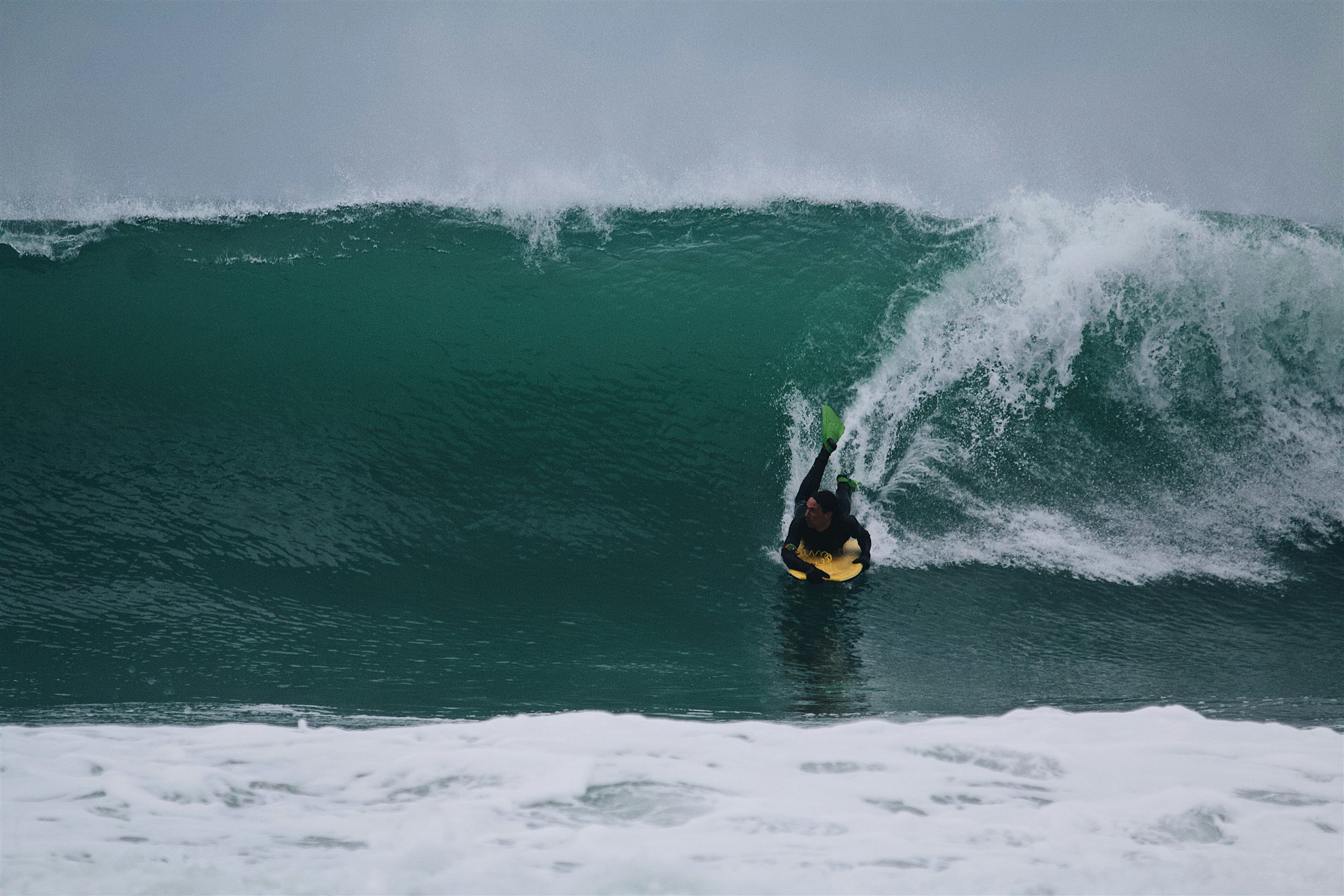
A combination of South Pacific energy and southwest swell continues to spread waves throughout the Southern California Bight.
SHOREY™ | Surf Outlook · June 12, 2026
Southern California’s June surf run is continuing, with a combination of south (S) and southwest (SW) swell keeping waves in the water from Santa Barbara to San Diego.
The latest swell activity follows a powerful Southern Hemisphere storm system that sent significant south-southwest energy toward the California coast earlier in the week. While the largest part of that initial swell had begun to ease, additional energy was keeping conditions active, with another stretch of elevated surf expected through the weekend.
The interesting part of this setup is the combination of swell directions. South and southwest energy interact differently with the coastline, spreading waves around the Southern California Bight and offering opportunities at a variety of exposed beaches and breaks.
For surfers, this is a weekend to pay attention to the details. The swell is there, but finding the right exposure, wind, and tide will make all the difference.
The Swell Setup: South Meets Southwest
The South Pacific is one of Southern California’s major swell engines during the winter and summer months. Storm systems developing across the Southern Hemisphere can generate powerful, long-period waves that travel thousands of miles north toward the California coastline.
The recent swell event was generated by a strong Southern Hemisphere storm, producing significant south-southwest energy that reached Southern California earlier in the week.
As that initial pulse began to fade, a combination of south and southwest swell continued to influence the region.
These directions are important because the Southern California coastline is anything but uniform.
A south swell favors beaches and breaks with direct southern exposure. Southwest energy can reach a different collection of locations, depending on the angle of the coastline, island shadowing, and underwater geography.
Together, these swell directions help distribute wave energy around the Bight rather than concentrating it at just one stretch of beach.
The Weekend Surf Outlook
The National Weather Service’s June 12 forecast called for surf building into Saturday, with elevated conditions continuing Sunday.
Friday, June 12 — The Swell Remains Active
The initial South Pacific energy was beginning to settle, but waves remained elevated across much of the region.
- Malibu and Los Angeles County: 3–5 feet
- Ventura County: 2–4 feet
- Southwestern and southeastern Santa Barbara County: 2–4 feet
- Central Coast: 3–5 feet
The combination of south and southwest swell energy continued to influence exposed breaks, with local conditions varying considerably from beach to beach.
Saturday, June 13 — Another Solid Day
Surf was forecast to build across several Southern California regions.
- Malibu and Los Angeles County: 3–6 feet
- Ventura County: 3–6 feet
- Southern Santa Barbara County: 3–6 feet
- Central Coast: 3–5 feet
The south-facing beaches were expected to receive the strongest impact, with the mix of incoming energy creating different opportunities depending on coastline exposure.
Sunday, June 14 — Elevated Surf Continues
The National Weather Service forecast maintained elevated surf into Sunday.
- Malibu and Los Angeles County: 3–6 feet
- Ventura County: 3–6 feet
- Southern Santa Barbara County: 3–6 feet
- Central Coast: 3–5 feet
The swell mix was expected to vary by region. South swell remained prominent across the southern counties, while the Central Coast forecast included a change toward south and northwest swell.
These are regional surf forecasts, not guaranteed wave heights at individual breaks. Local sets can vary substantially.
Where the Swell Will Show Up
Santa Barbara and the Central Coast
Southern-facing beaches and exposed locations should benefit from the incoming south energy.
The Central Coast was forecast to see a mix of west and south swell through Saturday, with south and northwest energy indicated for Sunday.
Different coastline orientations will determine which beaches receive the most energy. Some locations will remain more protected, while exposed breaks could see more consistent surf.
Ventura County
Ventura was forecast to see surf increase from 2–4 feet Friday to 3–6 feet over the weekend.
South swell was expected to become the primary influence by Sunday.
Look for beaches with favorable southern exposure, while keeping an eye on local wind conditions and the changing tide.
Malibu and Los Angeles County
Malibu and Los Angeles County were among the regions forecast to see 3–6-foot surf through the weekend.
The combination of south and west swell in the National Weather Service forecast reflected the mixed energy affecting this stretch of coastline. The broader surf outlook also highlighted the importance of the southwest and south swell combination.
South-facing beaches were expected to experience elevated surf and dangerous rip currents.
Orange County and San Diego
The earlier South Pacific swell had already delivered significant surf farther south, with the largest conditions occurring earlier in the week.
The remaining south and southwest energy continued to influence exposed locations, although the available June 12 National Weather Service regional forecast does not provide a verified weekend height breakdown for Orange County and San Diego.
As always, local exposure makes a major difference. A beach that picks up southwest energy may respond very differently from one that depends on a more southerly swell angle.
The SHOREY™ Trifecta
A combination of south and southwest swell can create opportunities across a wide stretch of coastline, but the swell direction is only one part of the equation.
At SHOREY™, we look for three essential ingredients:
1. Perfect wind direction
Wind can transform a wave. Light offshore or favorable morning winds help groom the face, while onshore winds can quickly disrupt an otherwise promising swell.
2. The right tide
Tide influences how waves interact with sandbars, reefs, and shallow-water contours. At shorebreak locations, a relatively small change in tide can make a major difference in where and how a wave breaks.
3. The right swell — size and direction
This is where the June swell combination becomes interesting. South and southwest energy reach different parts of the coastline, and the right angle can bring a break to life.
Swell size and period determine how much energy arrives, while local geography determines how that energy is transformed into waves.
When all three elements line up, that’s THE SHOREY™ TRIFECTA.
A Serious Word About Beach Conditions
The weekend forecast also came with an important warning.
On June 12, the National Weather Service issued a Beach Hazards Statement for Saturday morning through Monday evening, covering Ventura County, Malibu, Los Angeles County, and Southern Santa Barbara County.
Surf of 3–6 feet on south-facing beaches was expected to produce dangerous rip currents and breaking waves. Evening high tides of approximately 7.5–7.9 feet were also forecast, with minor coastal flooding possible in low-lying areas.
This is an important reminder that moderate-looking surf can still carry considerable power. Strong currents, shifting sandbars, and larger sets can create hazardous conditions for swimmers, surfers, and anyone standing near the water.
Check local advisories and lifeguard guidance before entering the ocean.
The SHOREY™ Verdict
Southern California’s June surf run is far from over.
The combination of south and southwest swell energy is keeping the Southern California Bight active, with surf expected to build into Saturday and remain elevated through Sunday.
The weekend outlook points toward 3–6-foot surf across several regions, particularly on south-facing beaches. The best opportunities will depend on local exposure, wind direction, and tide.
The South Pacific has delivered the energy. Now it’s up to the coastline to determine where the best waves show up.
Keep watching the swell charts. Check the wind. Know your break.
And when the Trifecta comes together, make the most of it.
SHOREY™
For the love of waves, shorebreak, and everything in between.
Respect the ocean. Understand the break. Ride what the ocean gives you.
Cover photo: Mael Balland on Unsplash