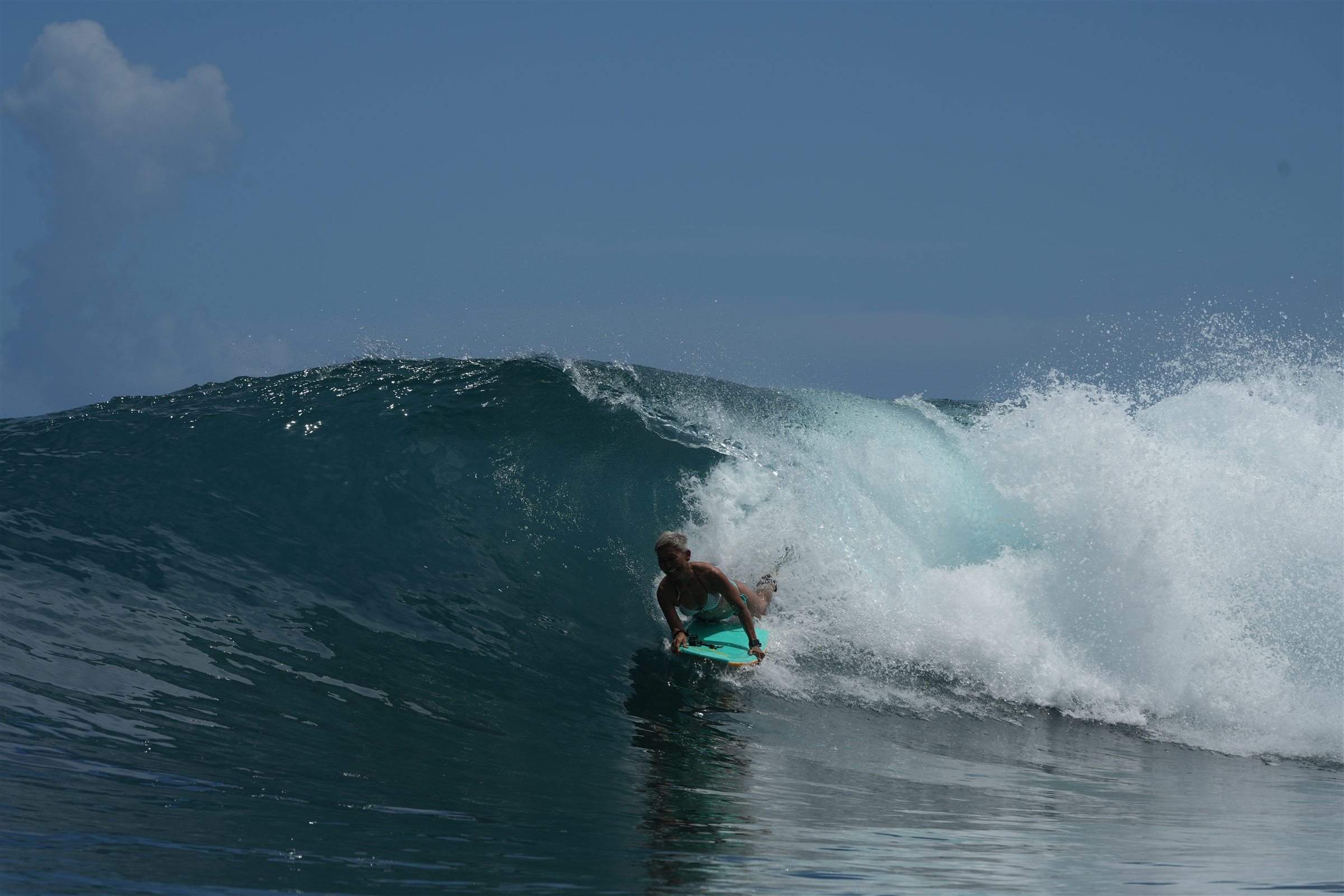
Queensland and Northern NSW enter a quieter stretch, while Central and Southern NSW look toward a modest increase in winter southerly swell.
SHOREY™ | Surf Forecast · June 30, 2026
Australia’s East Coast is entering a different phase of the winter surf season. The tropical swell activity that brought some welcome waves to the region earlier in June is beginning to fade, leaving surfers looking toward the Southern Ocean and Tasman Sea for the next opportunities.
The latest seasonal outlook suggests a relatively quiet period for Queensland and Northern NSW, while Central and Southern NSW could see a slight increase in longer-period southerly swell as winter weather systems become the more influential source of wave energy.
It’s a changing pattern rather than a major coast-wide swell event. The best opportunities will depend on local exposure, passing weather systems, and finding the right wind and tide.
The Big Picture: A Change in Swell Sources
The middle of June brought a late-season tropical swell run to Australia’s East Coast, followed by a larger southerly swell. Outside those events, much of the coastline had experienced relatively quiet surf.
That pattern is expected to continue as tropical swell sources become less influential.
According to Surfline’s June 27 Australia and New Zealand winter outlook, the focus is shifting toward stronger Southern Ocean and mid-latitude weather influences. This generally favors Australia’s southern states, while reducing the likelihood of consistent east-facing swell along Queensland and northern NSW.
For surfers, the message is straightforward: the reliable tropical energy is winding down, and the winter surf season is becoming increasingly dependent on individual weather systems.
Queensland: A Quieter Winter Pattern
Queensland is entering a period when consistent surf becomes harder to find.
The Gold Coast and Sunshine Coast typically benefit from easterly and southeasterly swell generated by tropical and subtropical weather systems. As those sources become less active, the region can experience longer stretches of smaller surf.
Southerly swell can still reach exposed locations, but the coastline’s orientation and offshore geography limit how much energy makes it into many breaks.
The seasonal outlook suggests Queensland could experience slightly below-average swell through the remainder of winter.
Surfers should remain alert for occasional changes in the Tasman Sea, but there is no basis for calling a major easterly swell event at this stage.
Northern NSW: Waiting for the Next Pulse
Northern NSW is facing a similar pattern.
The tropical swell that helped provide some activity in mid-June is expected to become less reliable. Beaches and points that depend on easterly energy may experience longer periods between worthwhile swells.
There is still potential for individual southerly pulses and local weather systems to improve conditions, but the broader outlook points toward a quieter-than-average period.
For surfers, this is a time to watch the smaller details: local wind changes, passing fronts, and the occasional swell that finds its way into exposed locations.
Central NSW: A Modest Winter Boost
Central NSW is better positioned to benefit from the changing swell pattern.
As longer-period southerly energy becomes more influential, exposed beaches and breaks with a southerly aspect could see a modest improvement in surf size.
The seasonal outlook suggests Central NSW should remain relatively close to average overall, with individual south swell events providing the better opportunities.
The key will be swell direction. A south swell can produce very different results from one beach to the next, depending on coastal orientation and protection from surrounding headlands.
Southern NSW: Keep an Eye on the South
Southern NSW is also positioned to benefit from the increase in longer-period southerly swell.
Exposed beaches and breaks that receive direct southern energy will be the locations to watch when the next suitable system develops.
However, a bigger swell does not automatically mean better surf. Strong winds associated with passing weather systems can create messy conditions, powerful currents, and difficult paddle-outs.
The best sessions may come after the weather has moved through, when the swell remains but winds begin to ease.
The Tasman Sea: A Developing Weather Story
There is another reason to keep an eye on the East Coast forecast.
On June 30, a coastal trough developed off northern NSW and southeastern Queensland. According to the Bureau of Meteorology’s historical records, the trough subsequently moved south and intensified into a low-pressure system off the Illawarra coast on July 1.
That development brought several days of significant weather to parts of the east coast, including heavy rainfall and damaging wind gusts.
While this was not something that could be treated as a confirmed major surf event in the June 30 outlook, it demonstrates why the Tasman Sea remains an important area to monitor.
East Coast lows and coastal troughs can generate substantial wind and wave activity, but their surf impact depends on their position, movement, strength, and the direction in which their winds blow across the water.
For surfers, these systems can bring opportunities, but they can also produce dangerous coastal conditions.
El Niño: The Bigger Climate Picture
El Niño was officially underway by June 30, 2026.
The Bureau of Meteorology reported that the relative Niño 3.4 index had reached +1.24°C for the week ending June 28, well above the El Niño threshold.
The Southern Annular Mode (SAM) was also strongly positive, with the daily index reaching +5.03 on June 27. This indicated a significant southward displacement of the belt of Southern Hemisphere weather systems.
These climate drivers help explain the broader seasonal pattern, but they do not provide a direct surf forecast.
Surfline’s winter outlook suggested that El Niño could contribute to stronger Southern Ocean activity and quieter conditions across tropical and subtropical swell regions. It also emphasized that other climate drivers and natural weather variability play important roles.
In other words, El Niño provides background context. The actual waves still depend on the storms that develop and where they travel.
The SHOREY™ Trifecta
With a quieter East Coast swell pattern, timing becomes even more important.
At SHOREY™, we look for three essential ingredients:
1. Perfect wind direction
Light offshore winds can transform an average swell into a clean, organized session. Watch for opportunities between passing weather systems when winds ease or become favorable.
2. The right tide
The tide changes how waves interact with beaches, reefs, points, and sandbars. The ideal window varies from break to break.
3. The right swell — size and direction
As tropical swell fades, southerly energy becomes increasingly important for Central and Southern NSW. Finding the right exposure will determine which breaks benefit most.
When all three line up, that’s the SHOREY™ TRIFECTA.
The SHOREY™ Verdict
June 30 marks a transition in Australia’s East Coast winter surf season.
The tropical swell run that brought some activity earlier in June is fading, and the broader outlook points toward quieter conditions across Queensland and Northern NSW.
Central and Southern NSW are better positioned for a modest increase in longer-period southerly energy, although the seasonal outlook does not support calling a major coast-wide swell event.
The developing coastal trough off northern NSW and southeastern Queensland also serves as a reminder that the Tasman Sea can change the forecast quickly.
For now, keep expectations realistic, watch the southern systems, and pay attention to local conditions.
The waves may not be arriving every day, but winter still has opportunities for those willing to find them.
SHOREY™
For the love of waves, shorebreak, and everything in between.
Respect the ocean. Understand the break. Ride what the ocean gives you.
Cover photo: Kazuhisa Sadogawa on Unsplash