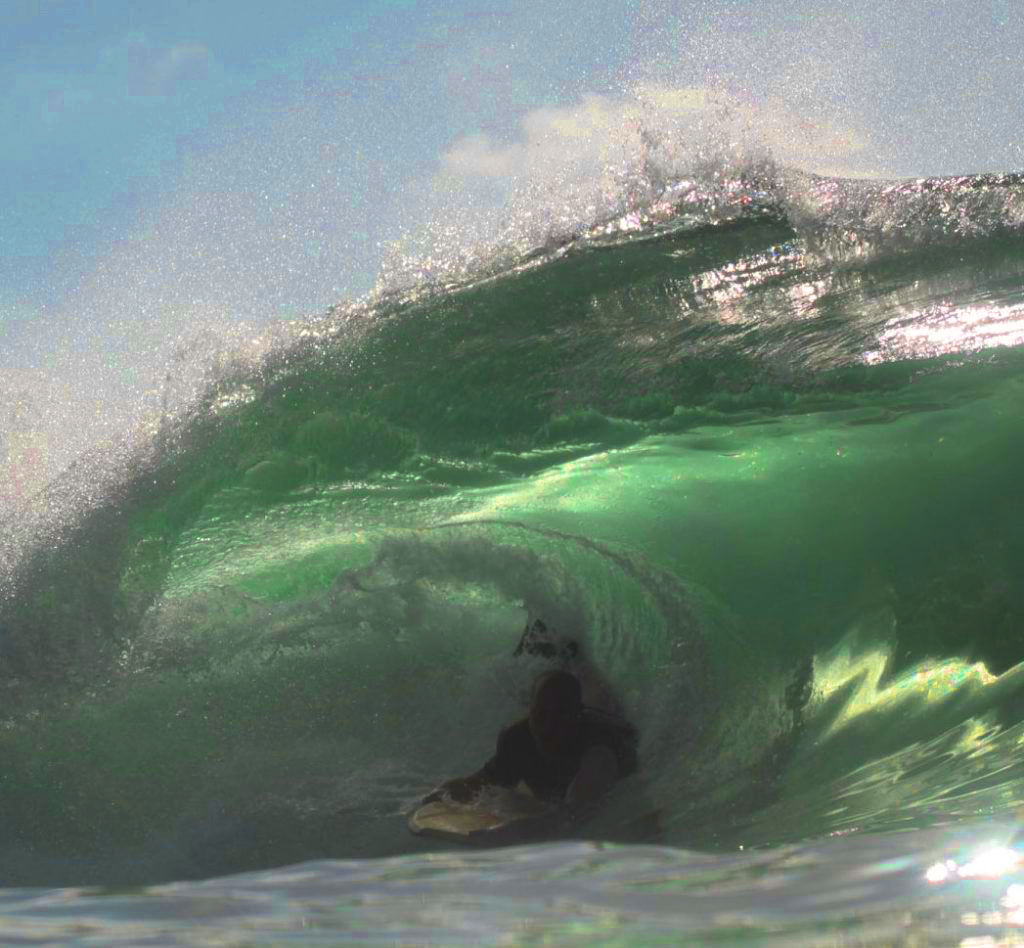
2026 brought historic South Pacific swells, massive shorebreak, extraordinary crowds, and unprecedented coastal erosion. But as the waves got bigger, the beach itself began disappearing.
SHOREY™ | Surf Culture · Ocean Science · Coastal Stories
There are waves you travel across the world to surf, and then there’s The Wedge.
Located at the southeastern tip of the Balboa Peninsula in Newport Beach, California, The Wedge is one of the most recognizable and unpredictable waves on the planet. Known for its enormous backwash, violent shorebreak, and unpredictable double-ups, it has earned a reputation that extends far beyond Southern California.
But 2026 has been an extraordinary year, even by Wedge standards.
Multiple powerful South Pacific swells brought enormous waves to Newport Beach, drawing international attention, experienced surfers, bodyboarders, bodysurfers, and thousands of spectators to the shoreline.
In March, a rare early-season south swell produced some of the biggest March surf seen at The Wedge in decades. By June, another powerful swell delivered waves reported at 15 to 20 feet, with some sets exceeding 20 feet.
And the story didn’t end when the swell disappeared.
As the summer progressed, powerful hurricane-driven swells continued battering Southern California. At The Wedge, the ocean removed enormous quantities of sand, exposing buried infrastructure, rocks, pipes, and remnants of Newport Beach’s history.
The result was a season that showcased both the incredible power of the Pacific Ocean and the vulnerability of the coastline.
1. The Perfect Storm: A Historic South Pacific Swell
The story of the 2026 Wedge season began with an unusual sequence of powerful storms developing across the South Pacific.
On March 12, a major southerly swell arrived at Newport Beach, producing enormous waves and chaotic conditions in the lineup.
According to Surfline, the swell was among the largest March south swells of this century and potentially one of the biggest southerly swells of 2026.
The source of the swell was particularly interesting.
A tropical cyclone near Fiji, named Urmil, transitioned into an extratropical storm as it moved into the South Pacific mid-latitudes. The system expanded and generated powerful seas, with satellite-verified significant wave heights reported around 40 to 45 feet.
That energy eventually traveled thousands of miles toward Southern California.
When it reached The Wedge, the results were spectacular.
The March swell demonstrated just how sensitive the break is to swell direction, period, and timing. Some sets produced enormous, nearly walled-up waves, while other periods of the day offered better-defined and more rideable peaks.
It was a reminder that at The Wedge, bigger doesn’t necessarily mean better.
The right combination of ocean conditions can make all the difference.
2. June: When The Wedge Exploded
If March provided an early preview, June brought another level of intensity.
A massive South Pacific swell arrived in Southern California during the second week of June, producing some of the largest surf seen at The Wedge in recent years.
On June 9 and 10, waves reaching approximately 15 to 20 feet attracted surfers and spectators from across Southern California.
Some sets were reported to exceed 20 feet.
The event drew extraordinary crowds, with the City of Newport Beach estimating that between 20,000 and 30,000 people gathered around The Wedge during the peak of the swell.
The city’s lifeguard division reported nearly 200 rescues over a 48-hour period.
The spectacle was remarkable, but the conditions were extremely dangerous.
For experienced bodyboarders and bodysurfers, the opportunity to ride a wave of this magnitude is part of what makes The Wedge legendary. But the same energy that creates these waves also produces powerful backwash, unpredictable currents, and devastating impacts in shallow water.
The June swell became one of the defining surf events of the year.
3. Why The Wedge Is Different
The Wedge isn’t a naturally occurring point break or traditional reef break.
Its unique wave characteristics are heavily influenced by the Newport Harbor entrance jetty, the surrounding coastline, and the underwater geography.
The harbor entrance was modified through a series of engineering projects during the twentieth century. Improvements to the west jetty helped create the conditions that eventually produced the wave we know today.
Here’s how it works.
When a powerful southerly swell approaches Newport Beach, part of the incoming wave energy interacts with the jetty.
Some of that energy reflects off the structure and travels back toward incoming waves.
When the reflected wave meets the next incoming wave, the two wave systems can combine, creating the distinctive wedging effect.
This interaction can produce a steep, powerful peak that rises rapidly and breaks close to shore.
The surrounding underwater geography also plays an important role.
Newport Submarine Canyon and the abrupt changes in offshore depth influence how wave energy approaches the coastline. Together with the jetty and shoreline geometry, these features help create the unusual conditions that make The Wedge so powerful.
The result is a wave unlike almost anything else in surfing.
It can produce enormous peaks, sudden backwash, unexpected closeouts, and some of the most violent shorebreak conditions in the world.
4. The Beach Begins to Disappear
While surfers were celebrating the incredible waves, another story was developing beneath the surface.
The repeated powerful swells were removing enormous quantities of sand from the shoreline.
By August, the erosion had become impossible to ignore.
Photographs and videos showed large sections of beach stripped away, exposing materials that had remained buried beneath sand for decades.
Rocks, concrete, rusted metal, pipes, wires, and other remnants of old coastal infrastructure began appearing near the west jetty.
Some of the exposed materials were associated with historic harbor construction and coastal engineering projects dating back to the 1920s through the 1940s.
For longtime visitors and local surfers, the changes were dramatic.
The beach had become narrower and steeper, with sections of the shoreline showing exposed infrastructure and unstable drop-offs.
The erosion also raised concerns about the condition of the jetty itself and the safety of the surrounding impact zone.
The sand that once provided a natural buffer between the ocean and the coastal structures had been stripped away in several locations.
This wasn’t simply a change in beach appearance.
It was a physical transformation of the environment.
5. Why Sand Matters So Much at The Wedge
To understand what is happening at The Wedge, it’s important to understand the relationship between sand movement and wave behavior.
Beaches naturally change throughout the year.
During calmer periods, sand often moves shoreward, rebuilding the beach and restoring the underwater sandbars.
During powerful winter and storm conditions, larger waves can transport that sand offshore.
But the 2026 season presented a different challenge.
Repeated powerful South Pacific swells and hurricane-driven wave events battered Southern California throughout the summer.
Rather than allowing the beach to experience a prolonged recovery period, the repeated events continued removing sand and reshaping the shoreline.
At The Wedge, these changes are particularly important because the wave depends on a unique combination of jetty geometry, offshore depth, and nearshore conditions.
When sand levels change, the relationship between the incoming swell, reflected wave, and shoreline changes as well.
This can influence:
- Where waves break and how close they break to shore.
- The steepness and shape of the wave face.
- The severity of backwash and rebound.
- The depth of water over submerged rocks and structures.
- The size and shape of the impact zone.
The beach is not simply the place where the wave finishes breaking.
It’s part of the wave itself.
Changing the beach can change the experience of riding The Wedge.
6. 2026: A Record-Breaking Pacific Storm Season
The Wedge’s extraordinary year was part of a much larger Pacific weather story.
According to an October 12 report by the Los Angeles Times, the 2026 Pacific tropical storm and hurricane season generated more accumulated cyclone energy than any season previously recorded.
Accumulated cyclone energy, commonly called ACE, measures the combined intensity and duration of tropical cyclones.
Researchers at Colorado State University confirmed that the season surpassed the previous record set in 2018.
The distinction is important: this was a record for accumulated tropical cyclone energy, not an officially established record for the largest waves ever surfed at The Wedge.
Nevertheless, the connection to Southern California was significant.
Powerful Pacific storms generated large swells that traveled toward the California coastline, contributing to beach erosion, flooding, and infrastructure damage.
In Newport Beach, one massive swell was reported to have overwhelmed large sand berms constructed in preparation for coastal flooding.
The Los Angeles Times also reported that the impacts extended beyond The Wedge, affecting beaches in San Onofre, Laguna Beach, and San Clemente.
The ocean wasn’t just putting on a show.
It was reshaping the coastline.
7. The Changing Face of The Wedge
Perhaps the most concerning aspect of the 2026 season is what the erosion could mean for the future of the break.
For decades, The Wedge has been defined by its distinctive combination of powerful waves, sandy shoreline, and manmade coastal structures.
But when the sand disappears, the environment changes.
Exposed rocks and buried infrastructure create additional hazards for surfers and bodyboarders. A narrower beach can also leave less room for waves to dissipate before reaching the shoreline.
The changing beach profile can influence the backwash, wave-breaking location, and overall character of the break.
Local surfers have raised concerns about the amount of sand lost over the years and how those changes are affecting the wave.
The City of Newport Beach has acknowledged the erosion and identified long-term sand replenishment as part of its approach to maintaining the beach and improving coastal resilience.
But replenishing a beach isn’t as simple as dumping sand onto the shoreline.
The source, quality, grain size, and volume of replacement sand all matter. Any restoration project must account for the coastal environment and the way sand naturally moves around the harbor entrance.
The challenge is maintaining the beach without disrupting the coastal system that makes The Wedge what it is.
8. The Future of The Wedge
The 2026 season has demonstrated just how powerful and unpredictable the Pacific Ocean can be.
It has also highlighted the delicate relationship between surf breaks and the coastlines that support them.
The Wedge is a unique example of how natural ocean processes and human engineering can combine to create something extraordinary.
The same jetty that helped create one of the world’s most famous shorebreaks is now part of a coastal environment experiencing significant erosion.
And as El Niño conditions continue to influence Pacific weather patterns, the coming winter deserves attention.
More powerful storms, elevated ocean levels, and high tides could place additional pressure on an already vulnerable coastline.
Whether the beach recovers during calmer conditions or continues experiencing long-term sand loss remains to be seen.
One thing is certain: The Wedge of 2026 is not necessarily the same Wedge that surfers will encounter in future seasons.
Its waves may change. Its sandbars may shift. Its shoreline may continue to evolve.
For the surfers who have spent years watching and riding this wave, these changes are more than just headlines.
They’re happening right in front of them.
The Ocean Always Has the Final Say
The 2026 season will be remembered for its enormous swells, incredible rides, spectacular wipeouts, and the crowds that gathered to witness one of surfing’s most unpredictable waves.
But it should also be remembered for what happened outside the lineup.
The beach itself became part of the story.
The ocean moved sand, exposed history, reshaped the shoreline, and reminded everyone that even the most iconic surf breaks are constantly evolving.
For those who ride The Wedge, the attraction has always been its raw power and unpredictability.
But understanding the forces that create the wave—and the forces that change the beach beneath it—gives us an even greater appreciation for this remarkable place.
The Wedge doesn’t just test the people who surf it. It reminds us that the coastline itself is constantly being tested by the ocean.
SHOREY™ | Respect the ocean. Understand the break. Ride what the ocean gives you.