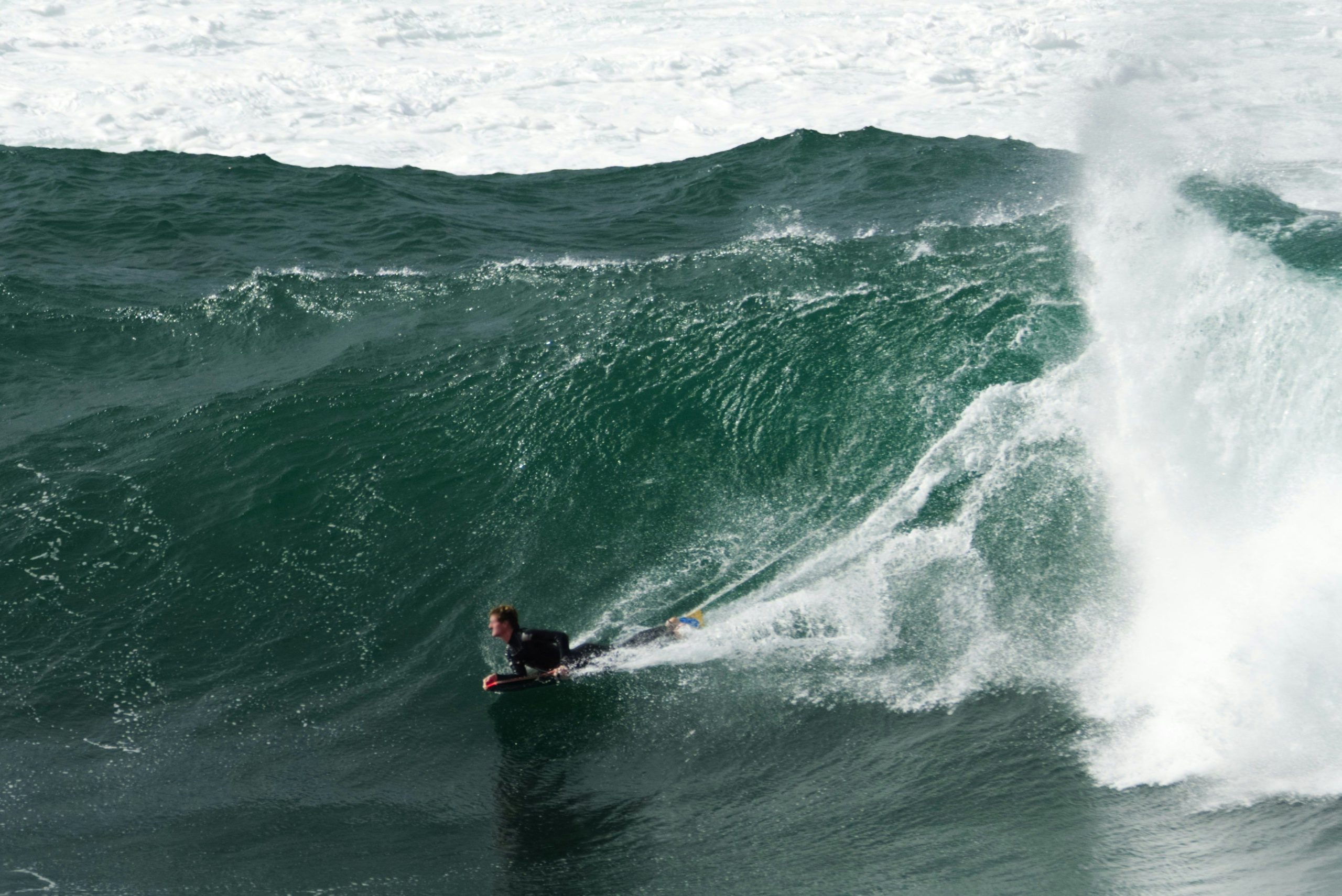
Southern Ocean systems continue to fuel the Surf Coast, with another promising stretch of winter waves on the horizon.
SHOREY™ | Surf Outlook · July 29, 2026
Victoria’s Surf Coast is right in the middle of its winter rhythm, and the Southern Ocean continues to provide plenty of reasons to keep the surfboard close.
Powerful weather systems tracking across the Southern Ocean are generating consistent swell, keeping exposed breaks active and setting up opportunities for quality winter sessions. With more energy expected to move toward the coastline, surfers will be watching closely for the combination of swell direction, favorable winds, and the right tide.
Winter is when the Southern Ocean shows its strength. The challenge is knowing when and where to find the best conditions.
The Southern Ocean Keeps Delivering
Victoria’s winter surf is heavily influenced by low-pressure systems moving through the Southern Ocean. These systems generate powerful waves that travel thousands of kilometres before reaching Australia’s southern coastline.
The result is a steady supply of swell energy, although not every pulse produces clean surf.
As weather systems pass through, conditions can change quickly. Strong winds may create messy surf at exposed beaches, while sheltered locations can offer more protection. Between systems, brief windows of lighter winds can transform the coastline, producing cleaner faces and more organized waves.
For surfers willing to watch the forecast and move with the conditions, winter can deliver some of the year’s most rewarding sessions.
Where to Find the Waves
Victoria’s Surf Coast offers an impressive variety of breaks, from exposed beachbreaks to sheltered reefs and points.
Exposed locations are generally better positioned to receive the full force of incoming Southern Ocean swell. These breaks can offer powerful waves when the direction and period line up, but they can also become challenging when strong onshore winds accompany the swell.
More sheltered breaks may provide cleaner conditions when the coastline is exposed to unfavorable weather. The trade-off is often reduced swell size.
The key is understanding how each break responds to the incoming swell direction.
A large swell on the charts does not necessarily mean every location will be firing. Local geography, coastline orientation, underwater structure, and wind exposure all determine what ultimately reaches the lineup.
Watch the Wind Window
During winter, wind can be just as important as swell size.
A powerful swell combined with strong onshore winds can produce disorganized surf, difficult paddling conditions, and unpredictable waves. But when the wind eases or turns offshore, the same swell can become a completely different proposition.
Early morning sessions are often worth watching, particularly when overnight conditions remain calm.
The best opportunities may come during the transition between passing weather systems, when swell energy remains in the water but winds temporarily become more favorable.
Those are the windows surfers should be looking for.
The SHOREY™ Trifecta
At SHOREY™, we believe finding quality surf comes down to three essential ingredients. We call it THE SHOREY™ TRIFECTA.
1. Perfect wind direction
The right wind direction can transform a wave. Light offshore winds help groom the face, while strong onshore winds can quickly disrupt an otherwise promising swell.
2. The right tide
Tide influences how waves interact with reefs, sandbars, and shallow-water contours. Some breaks work better with more water over the reef, while others need a lower tide to produce the desired shape.
3. The right swell — size and direction
Swell size provides the energy, but direction determines where that energy goes. Period also plays an important role in how much power reaches the coastline.
When all three elements come together, the conditions can be exceptional.
That’s the Trifecta.
What’s Ahead?
With winter still in full swing, Victoria’s Surf Coast remains in a favorable seasonal position for continued Southern Ocean swell.
The coming days will be about tracking individual swell pulses and identifying the best breaks as the wind and tide change. Some locations may see powerful surf, while others could offer more manageable conditions depending on their exposure.
Surfers should keep an eye on updated forecasts, particularly wind changes and incoming swell direction. Conditions can shift quickly during active winter weather, and large surf can bring strong currents, difficult paddle-outs, and hazardous shorebreak.
The best session may not necessarily be the biggest day. Sometimes it’s the morning when the wind finally turns, the tide reaches the right level, and the swell finds its way into the perfect stretch of coastline.
Winter Is Far From Over
Victoria’s Surf Coast has plenty more winter ahead, and the Southern Ocean is showing no signs of running out of energy.
For surfers, that means more opportunities to chase quality waves, explore different breaks, and make the most of the season.
Keep watching the swell charts. Pay attention to the wind. Know your local break.
And when the Trifecta comes together, be ready.
SHOREY™
For the love of waves, shorebreak, and everything in between.
Respect the ocean. Understand the break. Ride what the ocean gives you.
Cover photo: Stephen Tafra on Unsplash